Most advice on how to show a promotion on a resume is too shallow. It tells you where to place the title. It doesn't tell you how to make the promotion mean something.
This is the core issue.
A promotion is evidence. Someone trusted you with more scope, more ownership, and more risk. If your resume only shows a title change, you’ve stripped out the best part of the story.
Your Promotion is Not Just a New Title
Recruiters do not care about the title change by itself. They care about what the company trusted you to own after it.
“Senior Product Manager” is a label. The true signal is the shift behind it. Bigger scope. Harder decisions. Clearer accountability. If your resume does not show that shift, the promotion reads like paperwork.
Treat the promotion as evidence that someone inside the business gave you more trust because you produced results.
What recruiters need to see
A strong promotion story answers three questions fast:
-
What did you do to earn the promotion
-
What expanded after the promotion
-
What outcomes prove you handled the bigger role well
Numbers help, but they are not the whole story. A promotion is persuasive when the reader can see the pattern. You performed well, earned trust, then delivered at a higher level.
Practical rule: If the bullets under both titles sound like the same job with slightly stronger verbs, your resume is hiding the promotion instead of proving it.
You can sketch that progression in a resume builder if you need help seeing the structure. The content still has to show why the move happened.
The story behind the promotion
Start with the expansion, not the title.
Bad:
-
Supported product roadmap planning
-
Assisted cross-functional launches
Better:
-
Before promotion: Supported roadmap planning for one product area
-
After promotion: Owned roadmap for a $2M revenue line, led a cross-functional team of 6, and made launch tradeoffs across product, design, and engineering
Same department. Different level.
The difference is control. Before the promotion, you contributed. After the promotion, you owned the outcome. That is the story hiring managers want to see.
If you need stronger models, study these resume achievements examples. The best bullets connect action, scope, and business consequence in one line.
What to stop doing
Cut these habits:
-
Hiding the reason for the move
Make the progression visible. Do not assume the reader will infer it. -
Recycling old bullets
A copied responsibility with a new verb does not show growth. -
Describing activity instead of trust
Promotions happen because a company gave you more room to decide, lead, and carry risk.
Your promotion matters when the reader can see your impact widen.
Choose Your Format Stacked vs Separate Entries
Format matters more than people admit. Choose the wrong one and your progression gets muddy.
Use the format that makes growth obvious in one scan.
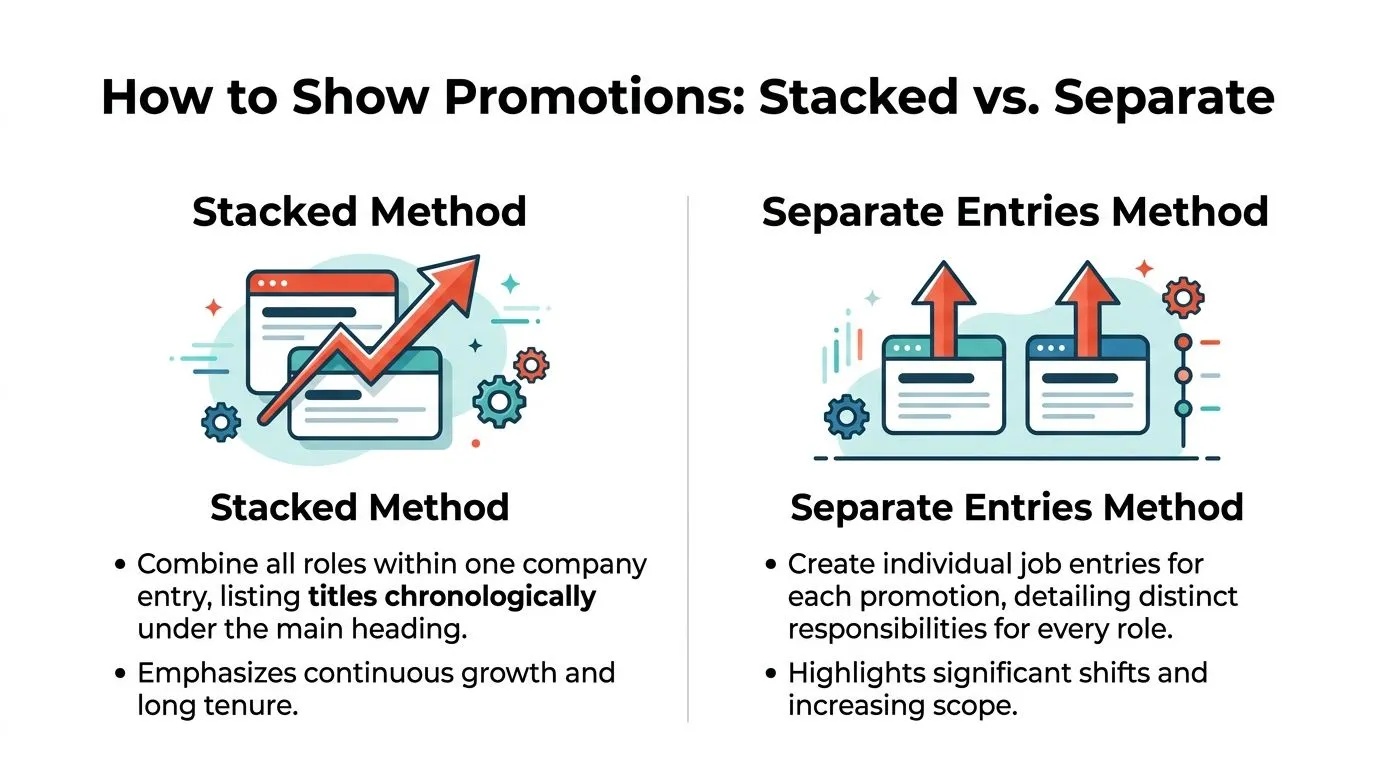
Use stacked entries for a clean ladder
If your promotion stayed in the same function, use the stacked format.
That means one company heading, then multiple titles underneath in reverse chronological order. It works because it shows continuity and upward movement without wasting space.
Example:
BrightWave Technologies
Senior Product Manager | Jan 2023 to Present
Product Manager | Mar 2021 to Dec 2022
Associate Product Manager | Jun 2019 to Feb 2021
Then write bullets that focus on the highest-impact work, with one clear line if needed about the promotion itself.
This is the best default for linear growth. It reads fast. It shows loyalty and progression. It doesn’t make the recruiter work.
If you want a fast way to test layouts before rewriting the content, a solid resume builder can help you pressure-test spacing and hierarchy. Just don’t let the layout tool do the thinking for you.
Use separate entries when the role changed
If the promotion moved you into a meaningfully different job, use separate entries.
This is the right move when:
-
The function changed from execution to leadership
-
The skill mix changed across teams or departments
-
The scope changed enough that each role deserves its own bullets
Indeed’s guidance is strongest here. For career changers or professionals with divergent promotions, using separate entries can boost perceived adaptability by 35% in tech and operations hiring because the format clearly separates different responsibilities and skill sets (Indeed on showing a promotion on your resume).
A simple decision rule
Use this:
| Situation | Best Format | Why |
|---|---|---|
| Same team, same function, bigger title | Stacked | Shows a clean internal climb |
| Different function or major responsibility shift | Separate | Gives each role enough room |
| Quick promotions in one path | Stacked | Keeps momentum visible |
| Promotion into leadership from specialist work | Separate | Shows the jump in scope clearly |
If the reader has to guess whether the role changed, your formatting failed.
What good stacked formatting looks like
Use this structure:
-
Company first
Put the employer name once. -
Newest title first
Order titles from current to older. -
One shared date range for the company if helpful
Then show title-level dates beneath. -
Bullets under the role grouping
Focus on progression, not repeated chores.
Example:
Northline Commerce
Head of Operations | Apr 2023 to Present
Operations Manager | Aug 2020 to Mar 2023
-
Promoted after leading process improvements across fulfillment and vendor operations
-
Took ownership of cross-functional planning, team performance, and operational reporting
-
Expanded remit from team coordination to company-wide operating cadence
That’s how to show a promotion on a resume without clutter.
Write Bullets That Show Progressive Impact
A promotion earns attention only if the bullets prove you were trusted with more.
People get this wrong by writing the promoted role like a copy of the earlier one. Same tasks. Same verbs. Same vague claims. That makes the title change look administrative instead of earned.

Write the delta, not the task list
Your job is to show what expanded after the promotion. Start there.
Usually the change shows up in one of four places:
-
Scope
Bigger product line, region, budget, account base, or operational footprint -
Ownership
You stopped contributing to decisions and started carrying them -
Leadership
You began directing people, vendors, stakeholders, or cross-functional work -
Complexity
You took on messier problems, higher stakes, tighter constraints, or broader tradeoffs
This is the shift hiring managers look for:
| Earlier role | Promoted role |
|---|---|
| Supported planning | Owned roadmap and priorities |
| Executed campaigns | Set strategy, budget, and channel mix |
| Coordinated operations | Ran the system and fixed bottlenecks |
| Built assigned features | Led delivery across teams |
That difference is the story. Your title only labels it.
Use proof that makes the promotion believable
A promotion story needs evidence. Without it, the reader has to trust your title alone.
Use numbers where they sharpen the jump in responsibility. Strong proof usually comes from:
-
Revenue or budget ownership
-
Team size or hiring responsibility
-
Operational scale
-
Speed, cost, efficiency, retention, or sales results
-
Systems you controlled such as Salesforce, HubSpot, SQL, Tableau, Jira, Google Analytics, or NetSuite
If you need stronger phrasing, these top resume bullet point examples are useful for pressure-testing weak verbs and vague outcomes.
A better bullet-writing sequence
Write bullets in this order:
-
State why you were promoted
Example: Promoted after leading three product launches with strong cross-functional execution -
Show the bigger remit
Example: Took ownership of roadmap decisions across a core product line -
Show the business impact
Example: Set priorities across engineering, design, and GTM for quarterly releases -
Add scale or results
Example: Managed a $2M revenue line and coordinated a cross-functional team of 6
Weak bullets:
-
Managed roadmap planning
-
Worked with engineering team
-
Supported product launches
Stronger bullets:
-
Promoted after leading cross-functional launch planning across multiple releases
-
Owned roadmap for a $2M revenue line, setting priorities across engineering, design, and GTM
-
Shifted from delivery support to release tradeoff decisions, stakeholder alignment, and quarterly planning
The second set works because the reader can see the trust you earned. Bigger decisions. Bigger consequences. Clearer impact.
If you want better judgment on which numbers help, this guide on choosing metrics that strengthen a resume story will help.
Don’t stack media. Watch this after you rewrite your first draft
What to cut immediately
Delete bullets that do any of this:
-
Repeat old responsibilities
“Managed stakeholder communication” in both roles says nothing. -
Hide seniority behind generic verbs
“Helped,” “assisted,” and “supported” belong in the earlier role, not the promoted one; it signals lower ownership. -
List activity without consequence
If the bullet does not show trust, scale, or result, cut it.
Your promoted role should sound harder, broader, and more accountable. If it doesn’t, rewrite it.
Real Promotion Examples for Different Roles
Examples make this easier. Use these as models, not scripts.
One warning first. A common mistake affecting 60% of resumes is hiding career progress. SalesTalentInc recommends stating the promotion clearly, with examples like being promoted 3x, so recruiters can’t miss the growth (SalesTalentInc on resume mistakes).
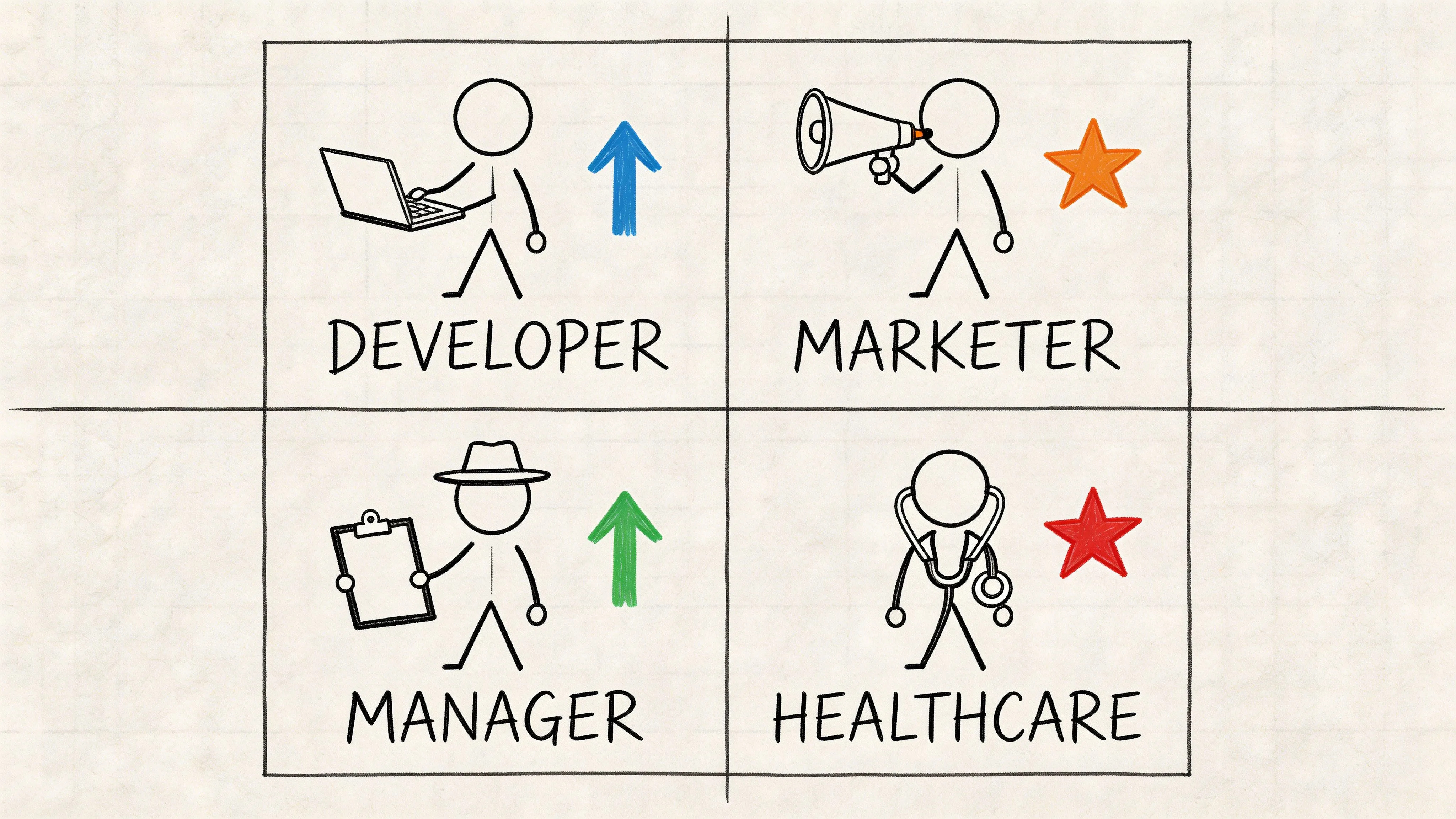
Software engineer example
Orbit Labs
Senior Software Engineer | Jan 2024 to Present
Software Engineer | Jun 2021 to Dec 2023
-
Promoted after taking lead ownership of backend service reliability and cross-team release coordination
-
Moved from feature delivery to architecture decisions, technical planning, and mentoring junior engineers
-
Led rollout planning across engineering, product, and QA for a business-critical platform
-
Reduced manual debugging work by building better observability and incident response workflows
Digital marketer example
NorthPeak Media
Senior Growth Marketing Manager | Mar 2023 to Present
Growth Marketing Manager | Jul 2020 to Feb 2023
-
Promoted after consistently improving campaign performance and taking on channel strategy
-
Expanded from campaign execution into budget ownership, funnel analysis, and executive reporting
-
Owned lifecycle and paid acquisition planning for a $20,000+ increase in sales from an email drip campaign
-
Used Google Analytics and HubSpot to connect campaign changes to pipeline impact
Operations manager example
Harbor Supply Co.
Operations Manager | Aug 2022 to Present
Operations Supervisor | Apr 2019 to Jul 2022
-
Promoted after improving process stability during peak operating periods
-
Shifted from supervising daily workflows to owning operating rhythm across fulfillment, staffing, and vendor coordination
-
Led process changes that improved overall store efficiency by 20%
-
Took accountability for cross-functional issue resolution instead of escalating problems upward
Good promotion entries don’t just show a bigger title. They show a bigger seat at the table.
If you want more phrasing patterns, these resume bullet points examples are useful for tightening weak entries.
Sync Your Promotion Story Everywhere Else
If your resume says one thing and the rest of your job search says another, the story breaks.
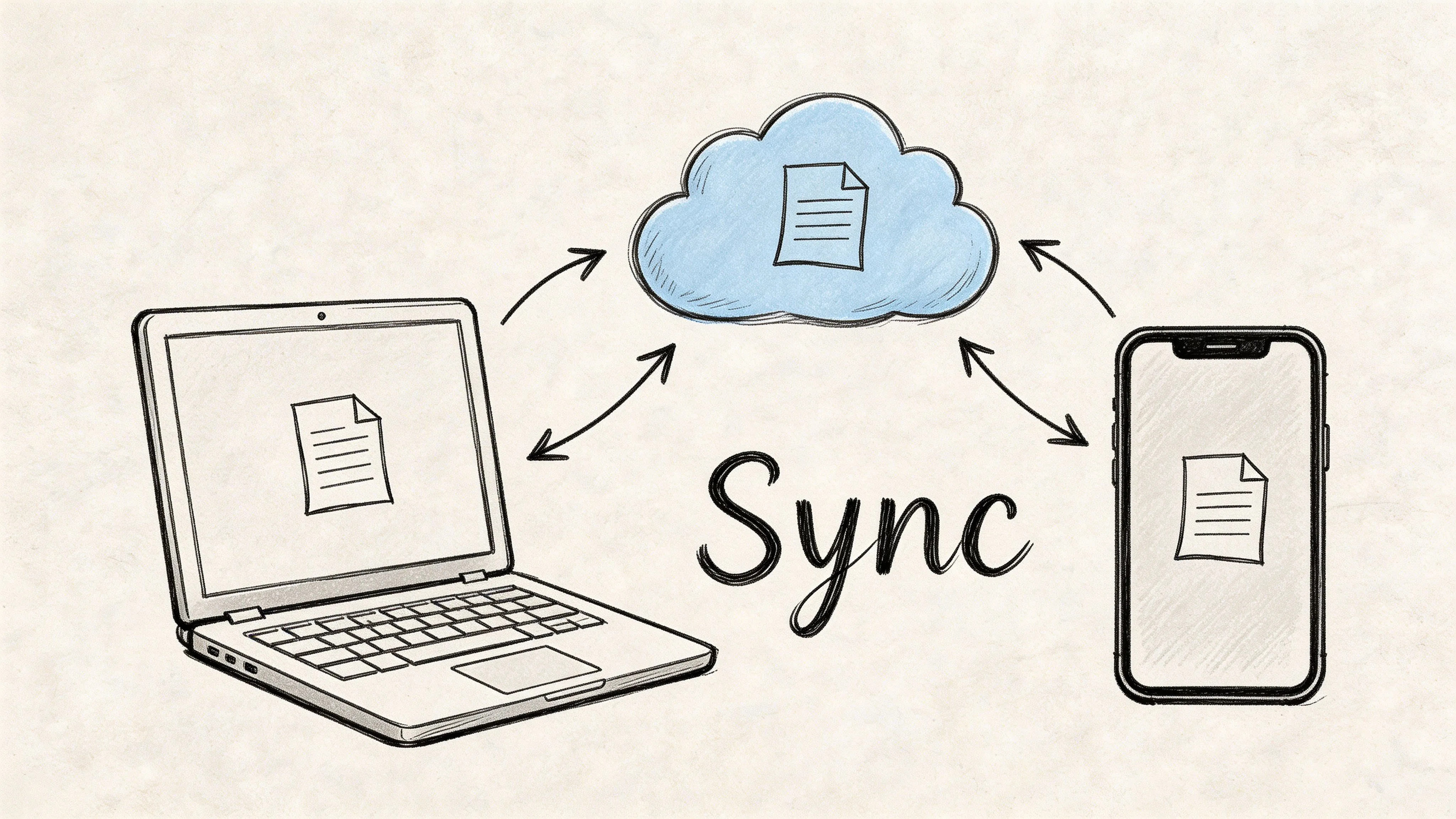
Recruiters check for consistency. They want the same arc everywhere. Growth, earned trust, bigger scope.
Keep the same core message
Match these across your materials:
-
Title progression
Use the same dates and title order everywhere. -
Reason for advancement
Keep the explanation consistent. Strong performance, broader ownership, bigger business impact. -
Expanded scope
Repeat the shift in level, not every bullet word-for-word.
Your cover letter should do one thing with the promotion. Use it as evidence that you’re ready for the next step.
Try this:
I was promoted after moving from execution into ownership, taking responsibility for broader planning, cross-functional alignment, and business-critical outcomes. That progression mirrors the level of judgment this role requires.
That works because it doesn’t repeat the resume. It interprets it.
A promotion should feel like a pattern, not an isolated event. When your resume, profile, and cover letter all tell the same story, your next move feels earned too.
StoryCV helps you turn career progression into a clear, credible narrative. Not by stuffing your resume with generic bullets, and not by forcing you into dead templates. It works like a digital resume writer, using smart prompts and editorial judgment to help you explain what changed, why it mattered, and what that says about your next role. If you want your promotion to read like proof instead of paperwork, start with StoryCV.